Level 2 EV Charging Station: A Homeowner’s Guide
If you own an electric vehicle, home charging can simplify your daily routine.
For many drivers, a Level 2 EV charger offers the best balance of speed and convenience. However, installing one involves more than mounting a charger. Your home’s electrical capacity must support the additional load. The wiring, circuit, charger location, and electrical panel also need proper assessment.
This Level 2 EV charger guide explains what homeowners should know before installing one.

What Is a Level 2 EV Charging Station?

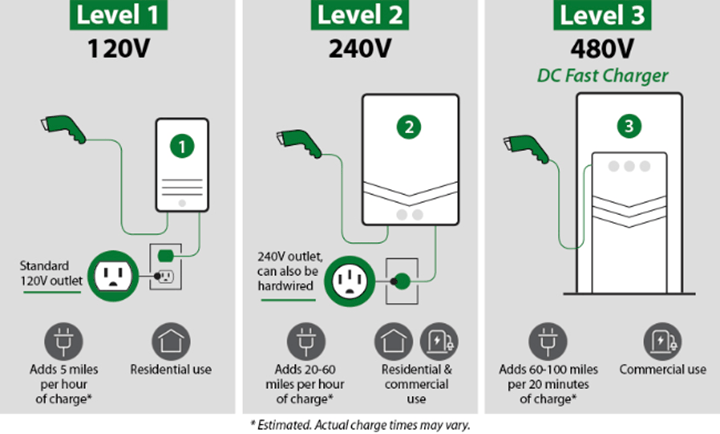
A Level 2 EV charger uses 208 or 240 volts. It provides much faster charging than a standard 120-volt Level 1 charger.
Most Level 2 chargers require a dedicated electrical circuit. The actual charging speed depends on several factors including the charger’s output, your vehicle’s onboard charger, and battery capacity.
Your vehicle also controls how much power it can accept. For this reason, charging times vary between vehicles. A Level 2 charger can provide enough overnight charging for many daily driving needs.
Request a Level 2 EV Charger Estimate
Call us at 604-308-6195
Why Choose Level 2 EV Charging at Home?

Level 2 charging offers several practical advantages.
Faster Charging
Level 2 charging provides more power than Level 1 charging. That can make a major difference for drivers with longer daily commutes. You can often add substantial range while your vehicle sits overnight.
Convenient Overnight Charging
Home charging removes the need to visit public charging stations for routine charging. You can plug in when you arrive home. Your vehicle can then charge while you sleep.
Better Fit for Daily EV Use
A Level 2 EV charger works well for drivers who use their EV regularly. It also provides flexibility for higher daily mileage.
Smart Charging Features
Many modern chargers include smart features. These can include scheduling, energy monitoring and remote control. Some systems can also help manage household electrical demand.
Eligible for Canadian Rebates & Grants
In Canada, there are several rebates and grants available for installing a Level 2 EV charging station. These incentives vary by province and can change over time. In BC, the CleanBC Go Electric EV Charger Rebate Program offers up to 50% of the purchase and installation costs of eligible EV charging equipment.
Want to talk to our electrician?
Call 604-308-6195
Can My Home Handle a Level 2 EV Charger?
This question should come before you buy the EV charger. Your electrical system may already have enough capacity. Some homes may need additional electrical work.
Our Premium Electric electrician can assess your existing system before installation. The assessment can consider:
| Electrical Panel Capacity | Charger Location |
| Existing Household Loads | Distance From the Panel |
| Main Electrical Service Capacity | Indoor Or Outdoor Installation |
| Existing Wiring | Other High-Demand Appliances |
| Proposed Charger Output | Future Electrical Needs |
This assessment helps us determine the most practical installation and can also prevent unnecessary upgrades.
Do I Need a Panel Upgrade for a Level 2 Charger?
Not always. A Level 2 EV charger does not automatically require a 200-amp electrical panel. The answer depends on your home’s available electrical capacity.
Our electrician can evaluate the existing electrical load. Several solutions may work. These can include:
- Adding a dedicated EV charging circuit
- Installing appropriate wiring
- Using energy or load management
- Upgrading the electrical panel
- Upgrading the electrical service (from 100 to 200 amp)
The right solution depends on the property. A proper assessment can help avoid unnecessary electrical work.
What Is EV Load Management?
Load management can help control the total electrical demand in a home. It monitors electrical usage and adjusts EV charging when necessary. This approach may help some homes avoid a larger electrical upgrade.
It can also help manage multiple high-demand electrical loads. Our electrician can determine whether load management suits your EV charger installation.
What Electrical Work Does a Level 2
EV Charger Need?
Most Level 2 charger installations require dedicated electrical infrastructure. The exact requirements depend on the charger and property. The installation may involve:
| A Dedicated Circuit | Disconnect Equipment Where Required |
| Appropriate Wiring | Electrical Panel Work |
| Breaker Installation | Load Management Equipment |
| Conduit | Outdoor Weatherproofing |
| Charger Mounting | Electrical Permits & Inspections |
The wiring route also affects the installation. A short garage installation may require less work than a detached garage installation.
Where Can You Install a Level 2 EV Charger?
Home EV chargers can work in several locations. Common locations include:
- Attached garages
- Detached garages
- Carports
- Driveways
- Exterior walls
- Covered parking areas
The location affects the installation requirements. Outdoor installations need equipment suitable for outdoor conditions. They may also require additional conduit or physical protection. The distance from the electrical panel can also affect installation complexity.
What If My Garage Is
Far from the Electrical Panel?
Distance does not prevent EV charger installation. It can affect the electrical work required. Premium Electric’s qualified electricians can plan the safest and most practical wiring route. The installation may involve:
- Longer Wire Runs
- Exterior Conduit
- Interior Wiring
- Trenching
- Additional Electrical Equipment
- Load Management
The best route should balance safety, appearance, and installation cost.
How Much Does a Level 2 EV
Charger Installation Cost?
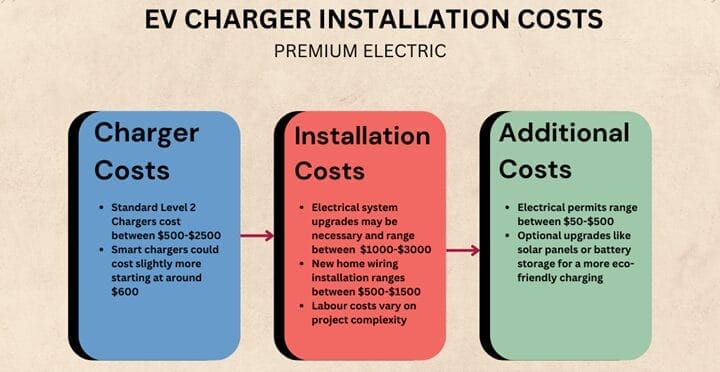
There is no single price for every installation. The total cost depends on the property’s electrical requirements. Important cost factors include:
| Charger Equipment | Wiring Requirements | Indoor Or Outdoor Installation |
| Charger Output | Conduit Requirements | Service Upgrades |
| Electrical Panel Capacity | Trenching | Load Management Equipment |
| Distance From the Panel | Panel Upgrades | Permit & Inspection Requirements |
A simple installation can cost much less than a project requiring major electrical upgrades. The best way to determine the cost involves an electrical assessment. Premium Electric can assess the property and explain the required work before installation.
Request a Level 2 EV Charger Installation Estimate
Or call us at 604-308-6195

Level 1 vs. Level 2 EV Charging
Level 1 charging uses a standard 120-volt connection. It provides slower charging and may suit drivers with low daily mileage.
Level 2 charging uses higher voltage and provides substantially more charging power. It works well for many homeowners who want convenient overnight charging. Level 2 chargers offer a faster and more practical solution for daily charging.
| Feature | Level 1 | Level 2 |
| Typical Voltage | 120V | 208–240V |
| Charging Speed | Slower | Faster |
| Dedicated Circuit | Usually Not Required | Usually Required |
| Installation Work | Minimal | Professional Electrical Installation |
| Best Suited for | Low Daily Mileage | Regular Daily EV Use |
Your vehicle also affects charging performance. Check your vehicle manufacturer’s charging specifications before selecting a charger.
Level 2 vs. Level 3 Charging
Level 3 chargers use DC fast charging technology. They provide much faster charging than typical home Level 2 systems. However, they require substantially more electrical infrastructure. Level 3 charging suits commercial and public charging locations. A Level 2 EV charger remains the more practical choice for most homes.
What Level 2 Charger Should I Buy?
Do not choose an electric vehicle charger based only on its maximum output. Start with your vehicle’s charging requirements. Then consider your home’s electrical capacity. You should also consider:
| Charger Compatibility | Smart Charging Features |
| Required Circuit Size | Energy Management |
| Charging Speed | Warranty |
| Cable Length | Rebate Eligibility |
| Indoor Or Outdoor Use |
Our qualified electricians can help identify the electrical requirements before you purchase equipment and will help prevent compatibility and installation problems.

Should I Buy the EV Charger
Before Calling an Electrician?
Not necessarily. It can make sense to assess the electrical system first. The available electrical capacity can affect your charger options. Your installation location can also affect the required equipment. Our licensed electricians can identify the electrical requirements before you commit to a specific charger.
Do Level 2 EV Chargers Need a Permit in B.C.?
Electrical permit requirements depend on the installation and jurisdiction. Where required, the electrical work should follow applicable B.C. requirements. The installation may also require inspection. Premium Electric can help coordinate the required permitting process, if needed.
Are There EV Charger Rebates in B.C.?
Yes. B.C. currently offers rebates for eligible home EV charging stations. The current residential program provides 50% of eligible costs. The maximum standard rebate for a Level 2 charger is $350. The program applies to eligible homes and equipment.
Eligibility requirements apply and rebate programs can also change over time. Check the current program requirements before purchasing equipment. For current information, visit the B.C. Go Electric residential charging program.
What About EV Charging in Condos & Townhomes?
Multi-unit properties require additional planning. Shared electrical infrastructure can limit charging capacity. Strata approval may also apply. Other considerations can include:
- Parking Ownership
- Electrical Capacity
- Shared Infrastructure
- Load Management
- Multiple Charging Stations
- Future Charging Demand
- Strata Requirements
- Permits
- Rebate Eligibility
B.C. also provides separate charging programs for eligible multi-unit residential buildings. Planning becomes especially important when several residents want EV charging.
Can Older Homes Support Level 2 Charging?
Many older homes can support Level 2 charging. However, the existing electrical system needs assessment. Older homes may have limited panel capacity. They may also have older wiring or substantial existing electrical loads. That does not automatically mean you need a complete electrical upgrade.
Contact Premium Electric at 604-308-6195 to determine what your home actually requires.
What Does a Professional Level 2
EV Charger Installation Involve?
A typical installation follows several steps.
- Assess the Electrical System – The electrician evaluates the panel, service and existing electrical loads.
- Confirm the Charger Requirements – The electrician reviews the charger’s voltage, output and circuit requirements.
- Choose the Charger Location – The installation plan considers parking, cable reach and accessibility.
- Plan the Wiring Route – The electrician determines the safest and most practical route.
- Complete Required Electrical Work – This may include wiring, conduit, breakers or electrical upgrades.
- Install the Charger – The electrician securely mounts and connects the charging equipment.
- Test the Installation – The system gets tested before the project finishes.
- Complete Required Permits & Inspections – Premium Electric coordinates required electrical permits and inspections where applicable.
Common Level 2 EV Charging Problems
Homeowners often contact our electricians because they face a specific problem.
“My electrical panel has no spare capacity” – Your electrician can assess the existing load.A panel upgrade may help, and load management may provide another option in some homes.
“My garage sits far from the panel” – Our electricians plan an appropriate wiring route.The solution may include conduit or trenching.
“I want faster charging than a standard outlet provides” – A Level 2 installation can provide substantially faster charging.The electrical system must support the required charging load.
“I do not know which charger to buy” – An electrical assessment can help define the required charger specifications.
“I live in a townhouse or condo” – The installation may require strata approval and additional electrical planning.
Why Use an Electrician for Level 2
EV Charger Installation?
An EV charger adds a significant electrical load to your property.The installation must match the charger’s requirements and your home’s electrical capacity.
Our professional electricians at Premium Electric can assess the system before installation. We provide EV charger installation throughout the Fraser Valley and Greater Vancouver area.
Our electricians can assess:
| Electrical Panel Capacity | Panel Upgrade Requirements |
| Existing Electrical Loads | Service Upgrade Requirements |
| Wiring Requirements | Load Management Options |
| Charger Location | Indoor & Outdoor Installations |
| Circuit Requirements | Permit Requirements |
We focus on the electrical requirements first. That helps you understand what your property actually needs.
Ready to Install a Level 2 EV Charger?
Start with an electrical assessment. Premium Electric can evaluate your home’s electrical capacity and installation requirements. We can then explain your options and provide an estimate.
Request a Level 2 EV Charger Installation Estimate
Or call us at 604-308-6195
Level 2 EV Charger FAQs
Is Level 2 EV charging worth it for home use?
For many EV owners, yes. Level 2 charging provides faster charging than Level 1. It also makes overnight charging more practical.
Can I install a Level 2 charger myself?
Level 2 installations usually require dedicated electrical work. A qualified electrician should handle the electrical installation.
Does a Level 2 charger require a dedicated circuit?
Most Level 2 installations require a dedicated circuit. The exact requirements depend on the charger and installation.
Will a Level 2 charger overload my electrical panel?
Not necessarily. Your electrician should assess your home’s available electrical capacity first.
Do I need a 200-amp panel for an EV charger?
No. A 200-amp panel is not automatically required. The home’s electrical load determines whether an upgrade makes sense.
Can I install an EV charger outside?
Yes. Many EV chargers support outdoor installation but the equipment and electrical installation must suit the outdoor environment.
How far can an EV charger be from the electrical panel?
There is no simple distance limit. The distance affects wiring, conduit and installation requirements and cost. Your electrician can determine the appropriate installation method.
How long does Level 2 charging take?
Charging time varies by the type of electric vehicle and charger. Battery size and onboard charging capacity also affect charging speed. Many drivers use overnight charging for convenience.
Can I use a Level 2 charger with any EV?
You should confirm charger compatibility with your vehicle prior to use. Connector standards and vehicle charging capabilities can vary.
Are Level 2 EV chargers eligible for B.C. rebates?
Eligible home installations can qualify for B.C.’s residential charging rebate. The current standard rebate covers 50% of eligible costs. The maximum rebate for a Level 2 charger is $350. Eligibility rules apply.
Can load management eliminate the need for a panel upgrade?
It can in some installations. Your electrician must assess the home’s electrical loads first. The suitability depends on the property’s electrical system.
Can I install an EV charger in a townhouse or condo?
Yes, but additional requirements may apply and strata approval and shared electrical infrastructure can affect the project. Multi-unit properties may also qualify for separate rebate programs.
Should I buy my EV charger before hiring an electrician?
Not always. An electrical assessment can help confirm the appropriate charger requirements first. This approach can reduce compatibility and installation issues.
How much does Level 2 EV charger installation cost?
Costs vary by property. The panel, wiring distance, charger location and electrical upgrades affect the price. A site assessment provides a more accurate estimate.
What should I check before installing a Level 2 charger?
Check your electrical capacity first. Then confirm your vehicle’s charging requirements. Also consider charger location, wiring distance, rebates, and future electrical needs.
Last Updated on September 2, 2026 by Premium Electric