Heat Pumps Guide for BC: Types, Rebates, Installation & Maintenance
If you live in British Columbia, this heat pump guide will be helpful if you are looking for information on heat pumps.
BC homeowners are constantly looking for better ways to lower energy costs. Heat pumps provide both heating and cooling while being highly energy efficient.
In this Premium Electric heat pumps guide, our electricians dive into the different types of heat pumps, discuss how to choose the right one for your home, cover electrical and installation requirements, and offer maintenance tips to keep your system running smoothly.
Key Findings
- Dual Functionality: Heat pumps offer both heating and cooling, making them versatile for varied BC’s climate.
- Types of Heat Pump Systems: Ducted air-source systems work with existing ducts, while ductless mini-splits suit homes without ductwork.
- Sizing Matters: Proper sizing ensures maximum efficiency and reduces wear on components.
- Heat Pump Rebates Available: Programs like BC Hydro’s rebates and the Canada Greener Homes Grant help reduce costs.
- Maintenance is Essential: Regular upkeep like cleaning filters and professional check-ups can reduce energy bills and extend system life.
What is a Heat Pump and How Does it Work?
A heat pump is an energy-efficient system that moves heat rather than generating it.
- In winter, it draws heat from the outside air or ground and brings it indoors to warm your home.
- In summer, the process reverses, removing heat from your home to keep it cool.
This ability to both heat and cool your home makes heat pumps a versatile choice for BC’s diverse climate. Heat pumps are powered by electricity, making them a more sustainable alternative to systems that rely on fossil fuels.
With advancements in technology, modern heat pumps can operate efficiently even in BC’s colder interior regions, making them a suitable solution across the province.
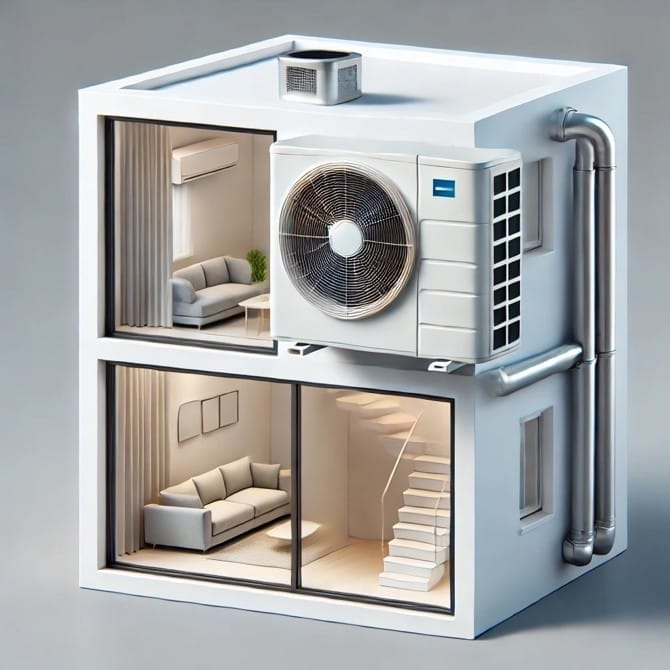
Check out the following model, done by Eclipse Energy, on how a heat pump works.

Types of Heat Pumps: Which is Right for Your Home?
Choosing the right heat pump depends on factors like the size of your home, whether you have existing ductwork, and your specific heating and cooling needs.
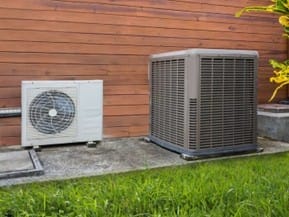
Below are the primary types of heat pumps available to BC homeowners:
Ducted Air-Source Heat Pumps
Ducted air-source heat pumps are ideal for homes with existing ductwork. These systems can distribute heated or cooled air throughout the entire home using a central duct system.
They are efficient, cost-effective, and work well for larger homes.
- Advantages: Whole-home coverage, compatible with existing HVAC systems, relatively low installation cost if ducts are already in place.
- Disadvantages: Heat loss through ductwork if not properly insulated, less efficient in homes without existing ducts.
Ductless Mini-Split Heat Pumps
Ductless mini-split systems are designed for homes without ductwork. They consist of an outdoor unit connected to one or more indoor units, which are mounted on walls.

This allows for zone-specific heating and cooling, making them a great choice for older homes or homes with additions.
- Advantages: Zone heating/cooling, no need for ducts, energy-efficient, easy installation.
- Disadvantages: Visible indoor units with hgher upfront cost if multiple indoor units are needed.
For help selecting the best system for your home, you can consult Better Homes BC’s guide, which offers tailored recommendations based on your home’s layout and climate.
Got a Question?
Call us at 604-308-6195
Purchasing & Heat Pump Installation Tips
Heat Pump Size
First, sizing the system is critical. The heat pump must match the heating and cooling requirements of your home. If the system is too small, it will struggle to maintain the desired temperature. On the other hand, an oversized system will short cycle, leading to decreased efficiency and faster wear on components. Correct sizing ensures optimal performance and extends the lifespan of the unit.
Professional Installation
Choosing the right installer for your heat pump is equally important. Professional installation ensures your heat pump operates efficiently and meets local regulations. In regions like British Columbia, where the climate varies, hiring an experienced installer is essential for getting the most out of your system. At Premium Electric, we employ licensed and insured electricians who can handle everything from installation to system optimization, ensuring your heat pump runs smoothly from the start.
Install Location
The location of an outdoor heat pump is another critical consideration. It should be placed in a shaded, well-ventilated area to prevent overheating during summer and ensure consistent operation. In regions with snowfall, like many parts of BC, it’s vital to position the unit where snow buildup won’t obstruct airflow or reduce efficiency. These considerations help maintain the system’s efficiency year-round.
Electrical Requirements
Finally, you must evaluate your electrical requirements. Heat pumps often require a dedicated electrical circuit. This means that if your home’s electrical system isn’t equipped to handle the extra load, an electrical panel upgrade might be necessary. Our electricians can assess your home’s wiring to ensure it complies with local electrical safety codes and meets the demands of the heat pump. This ensures your system operates safely and efficiently without overloading your electrical circuits.
By carefully considering these factors, heat pump sizing, installation, unit location, and electrical requirements, you can ensure your heat pump will function at peak performance and provide long-term benefits for your home.
Need Help?
Call us at 604-308-6195
Heat Pump Rebates & Low-Income Funding
BC homeowners can take advantage of several rebate programs to offset the cost of installing heat pumps.
BC Hydro offers rebates of up to $2,000 for heat pumps, with additional incentives available for switching from fossil fuel-based systems like oil or propane.
For low-income households, additional funding is available through the Income Qualified Rebate Program.
This program provides enhanced rebates for energy-efficient upgrades, including heat pumps, helping low-income families improve their home’s energy efficiency without bearing the full cost.
The Canada Greener Homes Grant offers up to $5,000 in grants for energy-efficient home upgrades, including heat pumps. Combined, these programs can significantly reduce the cost of purchasing and installing a heat pump.
For more information on heat pump rebates, visit BC Hydro’s rebate page.
Do Heat Pumps Work in Northern BC and Colder Interior Regions?
Yes. Modern cold-climate heat pumps are specifically designed to operate efficiently in colder temperatures, including regions like Northern BC and the Interior.
Performance in Cold Weather
Today’s advanced heat pumps can:
- Operate efficiently at temperatures as low as -15°C to -25°C
- Continue functioning at even lower temperatures with reduced output
- Automatically activate backup heating if required
Cold-climate models use enhanced compressors and refrigerants that allow them to extract heat from very cold outdoor air.
Backup Heating Systems
In colder regions such as Prince George, Fort St. John, or the BC Interior, many systems include:
- Electric resistance backup
- Gas furnace integration (dual-fuel systems)
This ensures consistent indoor comfort during extreme cold snaps.
Proper Sizing is Critical in Colder Climates
In colder regions, accurate load calculations are especially important. An undersized system may rely too heavily on backup heating, reducing efficiency.
A professional installer should:
- Conduct a heat loss calculation
- Consider insulation levels
- Factor in window efficiency
- Account for local climate data
When properly sized and installed, heat pumps are a reliable heating solution throughout British Columbia, including colder interior communities.
Let us help!
Call 604-308-6195
Heat Pump Maintenance Tips
Proper heat pump maintenance is essential for keeping your unit efficient and extending its lifespan. Here are some simple tips to ensure you’re maximizing your system’s performance.
Avoid Thermostat Setbacks
Avoid drastically lowering the thermostat, especially if it activates the backup heating system (e.g., electric resistance heaters), which are less efficient and more expensive to run. Instead, maintain a steady temperature to ensure the heat pump operates efficiently without over-relying on backup heat.
Optimize Fan Settings
Setting your fan to “auto” ensures it only runs when needed, improving the heat pump’s efficiency. Continuous fan operation can degrade performance unless the system has a variable-speed motor. Using the “auto” setting prevents unnecessary energy use.
Use a Programmable Thermostat
Consider installing a programmable thermostat designed for heat pumps. These thermostats manage multistage heating and cooling functions and can be programmed to adjust temperatures based on your schedule, preventing the system from overworking when you don’t need it.
Annual Professional Maintenance
Schedule professional maintenance at least once a year to ensure your heat pump runs smoothly. A certified technician will:
- Inspect ducts, filters, blowers, and coils for obstructions.
- Seal duct leaks to improve airflow.
- Measure refrigerant levels and check for leaks.
- Tighten electrical connections and lubricate motors.
- Ensure the thermostat and electrical controls are working correctly.
DIY Maintenance Tips
- Change Filters: Replace or clean heat pump filters every 1 to 3 months as recommended. High-efficiency 1-inch pleated filters with higher MERV ratings improve indoor air quality and may require fewer changes than standard filters.
- Clean Outdoor Coils: Regularly remove dirt, leaves, and debris from the outdoor coils to maintain airflow and efficiency. Be sure to turn off the fan before cleaning.
- Ensure Proper Airflow: Make sure rooms with closed doors still have good airflow. Solutions include undercutting doors or adding return air pathways to ensure air circulation throughout the home.
- Clean Registers: Keep your home’s supply and return registers dust-free and straighten any bent fins to ensure proper airflow.
Take Charge of Maintenance
A well-maintained heat pump can save 10% to 25% on energy bills compared to a neglected one. Regular filter changes, cleaning, and professional servicing will keep your system running efficiently for years to come. Consider getting a certified technicians from Clean BC Better Homes Contractor list for expert maintenance and installation.
Contact Premium Electric
We hope you found this heat pump guide helpful. These units are an excellent choice for BC homeowners looking to reduce their carbon footprint, lower energy bills, and enjoy year-round comfort.
Whether you opt for a ducted, ductless, or geothermal system, you will need a licensed electrician. They can help with choosing the right heat pump size, ensuring proper installation, and advise on keeping up with maintenance to ensure you get the most out of your investment.
Generous rebates and incentives available, including specific programs for low-income households. There’s never been a better time to make the switch to a heat pump and take the first step toward a more energy-efficient future.
Call Premium Electric at 604-308-6195 if you need help choosing a heat pump.
Heat Pumps FAQ
How does a heat pump work?
A heat pump transfers heat rather than generating it. In winter, it pulls heat from the outside air (or ground) and moves it indoors, while in summer, it removes heat from your home to cool it.
What types of heat pumps are available for BC homes?
The main types include ducted air-source heat pumps, which use a home’s existing duct system, and ductless mini-split systems, which provide zone-specific heating and cooling without the need for ducts.
How do I choose the right size heat pump for my home?
Correct sizing is based on a load calculation that factors in your home’s square footage, insulation, and local climate. A professional installer can assess your home and recommend the right size to ensure efficiency.
Are there any rebates or funding available for heat pumps in BC?
Yes, BC Hydro offers rebates of up to $2,000, and the Canada Greener Homes Grant provides up to $5,000 for energy-efficient upgrades, including heat pumps. Low-income households can access additional funding through the Income Qualified Rebate Program.
What kind of maintenance does a heat pump require
Regular maintenance includes changing filters every 1-3 months, cleaning outdoor coils, and ensuring proper airflow throughout the home. Annual professional maintenance is also recommended.
Can I install a heat pump in an older home without ductwork?
Yes, ductless mini-split systems are perfect for older homes without ducts. They consist of an outdoor unit connected to indoor wall-mounted units, allowing for zone-specific heating and cooling.
Do heat pumps work efficiently in BC’s colder interior regions?
Yes, modern heat pumps are designed to operate efficiently even in colder climates, making them a great option for all regions of BC, including the interior areas.
Last Updated on June 18, 2026 by Premium Electric