
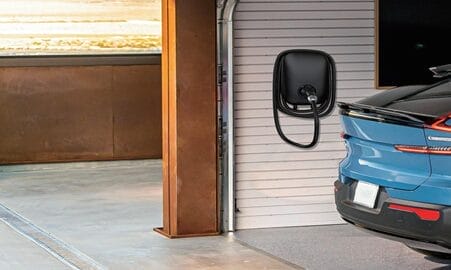
Everything You Need to Know About EV Charger Installation in BC
Electric vehicles (EVs) are becoming increasingly common across British Columbia, especially throughout the Lower Mainland. As fuel costs fluctuate and more drivers prioritize sustainability, installing a home or workplace EV charger is quickly shifting from a luxury to a necessity.
If you’re considering making the switch to an EV charger at home or work, one of the most important questions is:
Can your home or business support EV charger installation,
and what does the process actually involve?
This BC EV Charger Installation guide walks you through everything you need to know, including:
- Electrical requirements
- Types of EV chargers
- Installation steps
- Costs in BC
- Permits and rebates
- Common questions

Can You Install an EV Charger at Home or Work?
In most cases, yes.
Nearly any property with electrical service can support EV charger installation. However, the complexity, cost, and timeline depend on several factors:
- Your electrical panel capacity
- Existing electrical load
- Distance from panel to charger location
- Property type (single-family, strata, commercial)
- Local permitting requirements
Types of EV Chargers Explained
Understanding EV charger types is essential before planning installation.
Level 1 (L1): Standard Outlet Charging
- Uses a 120V household outlet
- No special installation required
- Very slow charging (20+ hours for a full charge)
Best for:
- Plug-in hybrids
- Very low daily driving needs
Level 2 (L2): Home & Workplace Standard
- A Level 2 EV Charging Station uses a 240V dedicated circuit
- Requires professional installation
- Charges most EVs in 4–8 hours
Best for:
- Daily drivers
- Most residential and commercial applications
This is the most common and practical option for homeowners.
Level 3 (DC Fast Charging): Commercial Use
- High-voltage (480V–600V DC)
- Extremely fast (30–60 minutes)
- Requires major electrical infrastructure
Best for:
- Public charging stations
- Fleet operations
Electrical Requirements for EV Charger Installation
Before an EV charging station installation, your electrical system must be assessed.
1. Panel Capacity
Your electrical panel determines whether your system can handle an EV charger.
Typical scenarios:
- 100A panel → May require an electrical panel upgrade
- 200A panel → Usually sufficient
- Near-capacity panel → Load management or upgrade may be needed
2. Electrical Load
Your system must support existing high-demand appliances, such as:
- Heat pumps / HVAC
- Electric ranges
- Hot tubs
- Dryers
Adding an EV charger increases total demand, which must remain within safe limits.
3. Charger Location
Installation complexity depends on:
- Garage vs exterior wall
- Distance from panel
- Obstacles (finished walls, concrete, trenching needs)
4. Future Planning
It may be more cost-effective to properly size your electrical system now if you plan to:
- Add another EV
- Install multiple chargers
- Add more appliances with large draws
Step-by-Step EV Charger Installation Process
Here is a detailed overview of the EV charger station installation process:
Step 1: Site Assessment
A professional assessment evaluates:
Electrical system
- Panel size and available capacity
- Available circuits
- Code compliance
Location
- Mounting position
- Accessibility
- Weather exposure
Routing
- Distance from panel
- Wiring path and obstacles
Permits
- Local requirements
- Documentation and load calculations
Step 2: Panel or Wiring Upgrades (If needed)
An electrical panel upgrade or electrical wiring upgrade may be required if:
- Your electrical panel is full
- Your system is outdated
- You’re installing multiple chargers
- You older home or business has outdated aluminum wiring or knob and tube wiring
Typical upgrades include:
- Installing a higher-capacity panel
- Adding new circuits
- Updating electrical wiring to meet code
Step 3: Permits & Approvals
In British Columbia, permits are required for most EV charger installations.
Residential
- Required for Level 2 chargers
- Submitted to your municipality
- Includes inspection after installation
Commercial / Multi-Unit
- More complex approvals
- May require:
- Load calculations
- Utility coordination
- Strata or property manager approval
Permits Ensure:
- Electrical safety
- Code compliance
- Eligibility for rebates
Step 4: Installation
Once permits are approved, EV charger installation typically includes:
- Mounting
Charger installed on a wall, post, or the building structure - Wiring
Dedicated 240V circuit installed in conduit - Panel Integration
Breaker added and load balanced - Testing
Voltage, current, and safety checks - Inspection
Final approval from the local authority
How Much Does EV Charger Installation Cost in BC?
Costs vary depending on your property and electrical setup.
Typical Cost Breakdown (Level 2 Installation)
|
Component |
Estimated Cost (CAD) |
|
Charger hardware |
$700 – $2,500 |
|
Wiring & circuits |
$500 – $1,500 |
|
Panel upgrade (if needed) |
$1,000 – $3,000+ |
|
Permits |
$100 – $600 |
|
Labour |
Varies by complexity |
Total Typical EV Installation Cost:
$3,000 – $7,000+
What Affects Cost?
- Distance from panel to charger
- Panel capacity and upgrade needs
- Trenching or wall access
- Property type (detached vs strata)
EV Charger Rebates & Incentives in BC
British Columbia and the Government of Canada offer several EV rebate programs to reduce installation costs.
CleanBC Go Electric Program
- The Go Electric Program offers rebates for home and workplace chargers
- Includes support for multi-unit residential buildings
BC Hydro EV Charger Rebates
- The BC Hydro EV Charter rebate program is available for eligible residential customers
- Supports Level 2 charger installation
Government of Canada Programs
Along with the Government of Canada EV incentives, these programs can significantly reduce upfront costs, depending on eligibility.
How Long Does Installation Take?
Typical Timeline for an EV Charger Installation:
- Site assessment: 1–3 days to schedule
- Permits: A few days to a few weeks
- Installation: Often completed in 1 day
- Inspection: Within days of completion
Total timeline: 1–4 weeks (typical)
Can You Install an EV Charger Yourself?
In most cases, no, and it’s not recommended.
Reasons:
- Requires electrical permits
- Must meet the Canadian Electrical Code
- Involves high-voltage wiring
- Impacts home safety and insurance
A licensed electrician ensures:
- Safe installation
- Code compliance
- Rebate eligibility
Installing an EV Charger in Condos or Workplaces
These installations are more complex.
Condos / Strata Properties
- Approval from the strata required
- Shared electrical infrastructure
- May require load management systems
Workplaces
- Higher electrical demand
- Multiple users
- Opportunity for scalable infrastructure
Planning ahead is critical in both cases.
Maintenance & Long-Term Considerations
EV chargers require minimal maintenance, but good practices include:
- Keeping the area clear
- Inspecting cables periodically
- Protecting the unit from the weather
- Scheduling occasional electrical checks
EV Charger Installation FAQs
Do I need to upgrade my panel for an EV charger?
Not always. However, upgrades are common if:
- You have a 100A panel
- Your panel is near capacity
Do permits slow down installation?
They can add time, but they are required for:
- Safety
- Code compliance
- Rebates
Can EV chargers be installed outdoors?
Yes. Many chargers are rated for outdoor use and designed for Canadian weather conditions.
How much power does a Level 2 charger use?
Most Level 2 chargers use:
- 30–50 amps
- 240 volts
Exact requirements depend on the charger model and vehicle.
Is it worth installing an EV charger at home?
For most EV owners, yes.
Benefits include:
- Convenience
- Lower charging costs vs public stations
- Faster daily charging
- Increased property value
Final Thoughts
Installing an EV charger at home or work in BC is:
- Feasible for most properties
- Easier with proper planning
- Subject to permits and inspections
- More affordable with rebates
As EV adoption continues to grow, installing a charger is one of the most practical ways to future-proof your property and simplify daily charging.
Contact an EV Charger Station Electrician
Please call Premium Electric at 604-308-6195 if you still have questions or would like to speak with a licensed electrician.
Or contact us online.
Last Updated on May 1, 2026 by Premium Electric
