Yes, changing a light switch is necessary because sometimes light switches do go bad.
Light switches are a staple in every home to turn lights on or off. Given how vital light switches are and how often you use them, they can wear out over time. Unfortunately, most of us take them for granted.
Weak wire connections and prolonged usage may cause them to overheat and eventually short circuit. To prevent any risk of accidents or injury, you should address any issues with your light switches as soon as you notice them.
Do You Need to Replace a Light Switch?
Light switches, like any other basic machine, contain multiple moving elements. Plastic tends to dry out and become brittle over time so plastic parts may shatter. Sometimes, the light switch connections may become loose.
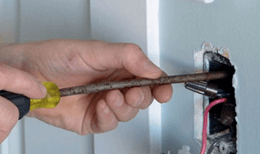
When deterioration like this happens over time your switches may need to be replaced at some point. While many think that changing a light switch is a simple task, it is more technical and complex than it sounds.
When it comes to electrical components, it is best to always leave the electrical work to a certified electrician.
Before you have an electrician replace a light switch you should first know the types of light switches you have.
Types of Light Switches
You may not think too much about them, but when changing a light switch you have many options. Each option may have different functions, and some are more applicable for specific applications.
To help you become more familiar with your choices, here are the common types of light switches you will find in homes.
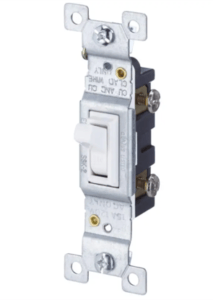
Single Pole Light Switch
The single pole light switch is the most popular type, consisting of a basic on and off label. You can only operate a single light from a single switch since the designation single pole refers to the one circuit going through the switch.
Multi-Location Switches
Multi-location light switches are available in various configurations and designed to control the same light from various switches. For example, a three-way switch controls a light fixture from two different places.
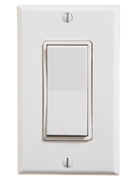
Dimmer Light Switch
A dimmer light switch is used to dim the brightness of light without totally turning it off, providing greater customization than a standard on and off light switch. Dimmer switches are great for bedrooms where you may sometimes want a dimmer light for better relaxation.
Programmable Timer Switch
With a programmable timer light switch, you can set the exact moment when your light should turn on or off. This can help you to cut electricity costs significantly. Nowadays, smart timers are growing extremely popular since they allow you to control your lights via electronic devices like tablets or mobile phones.
Why Does My Light Switch Not Work?
There are several reasons why a light switch may stop working. Common reasons that indicate the need to change a light switch would be a loose or unsteady switch or one that is stiff and difficult to press.
Aside from this, flickering lights may suggest a short in the light switch and if it fails to turn on or off, this is a sign that it may have failed and could potentially be dangerous.
Changing a light switch is inevitable at some point or another. If you encounter a problem, you might be thinking, “Why did my light switch stop working?”
Here are several possible reasons why it may to time to change a light switch.
Faulty Mechanism
A faulty light switch may prevent you from turning on the light. If you have tried to install a new light bulb but the switch still does not turn on or the switch level is feeling wonky, these are signs that you may have a faulty mechanism. To address these problems, you should call our local certified electrician to replace a light switch. We can be reached at 604-308-6195
Light Switch Feels Warm
After a dimmer switch has been on for some time, you may find that it feels a bit warm to the touch when you go to turn it off. This is common for this type of light switch.
However, a regular toggle light switch should not warm up under any circumstance, so it could be problematic if you notice your light switch heating up or getting hot.
Buzzing Noise and Hot Switch
Light switches generate no noise when they are in good operating order. So, if you hear any buzzing, clicking, or popping, changing a light switch may be necessary as it is likely not operating correctly and needs a replacement.
Even though your light switch appears to be functioning, you may have a fire hazard if you observe a buzzing sound or if your switch feels hot for a prolonged time.
Faulty light switches can cause a fire so make sure your home is well equipped with smoke alarms. If you see smoke or burn marks on the light switch or nearby wall, you should immediately have our local electrician replace the light switch. Call us at 604-308-6195
Loose Electrical Wire
At times, the problem may be with the lightbulb and not the light switch itself.
For example, if you have tightened the bulb and still experience flickering, the problem may be a loose electrical wire. If this happens, the light switch connection may be loose or damaged. An electrician can help you identify the problem and fix any loose electrical wiring under the light switch plate.
Fuse Burnout
A fuse burnout or trippedcircuit breakers can cause issues with your light switches as well. Before changing a light switch, it helps to get a professional electrical safety inspectionto know if you need to replace a fuse or circuit breaker and to determine what types of fuses you may need.
Overall, a light switch repair or replacement may sound straightforward, but it is challenging if you are unfamiliar with electrical switch wiring, your system’s electrical load, or any past maintenance that may have been performed.
As such, the best thing to do would be to call our local electrician at 604-308-6195 if you notice issues with your light switch. The last thing you want is to aggravate the risks as a faulty light switch can quickly turn into an electrical fire hazard if not properly addressed.
About Premium Electric
For your own safety and the safety of your family, at Premium Electric, we strongly recommend hiring a professional electrician if you need any residential electrical work done.
Our fully bonded and certified electricians service all local communities within the Fraser Valley and the Greater Vancouver Regional District.
We have the knowledge and experience to help you with all electrical installations, repairs, or maintenance and all our electrical work is guaranteed.
Ever since LED lights were first developed in the 1960s, there have been numerous myths about LED vs incandescent lights. That included myths about the effectiveness of LED lights, cost of ownership, reliability, and longevity. In this article, our Abbotsford electricians at Premium Electric hope to debunk the LED myths and present the LED lighting…
In this blog post, our Abbotsford electricians at Premium Electric take a look at a fuse vs circuit breaker. What makes them different and which one is better? It’s important to keep in mind that depending on the power application, in most cases a fuse and a circuit breaker are not interchangeable. As an example,…
If your light fixture isn’t working properly how can you tell if you should do a ballast repair vs ballast replacement? Without light fixture ballasts, our world would be a much darker place. Ballasts are utilized in street lamps, floodlighting, and other indoor and outdoor lighting fixtures for homes or businesses. How Do You Replace…
You may have heard the term before, but exactly what is a GFCI outlet? A GFCI outlet uses a Ground Fault Circuit Interrupter designed by Charles Dalziel in 1961. This outlet prevents people from becoming shocked or electrocuted should they come in contact with an open electrical current. GFCI outlets have been installed in homes…
Even if you’re not interested in a complete smart home system, the allure of an energy saving smart thermostat has even the most jaded of homeowners thinking twice. Smart technology has been a buzzword in the home improvement space for a few years now, and it doesn’t show any signs of slowing down. If cutting…
Checking old home electrical wiring should be a priority if you live in an older home or if you are thinking of buying one. Do you live in an older home? If so, have you ever had anyone do an electrical wiring safety check? Having an electrical wiring inspection done may be something that most…
Electricians You Can Trust.
We have a qualified electrician on call 7 days a week, 365 days a year to make the process as easy as possible.